
Burnout as an “aesthetic” in today’s society


By Amni Humaira binti Anuar
“Should I give up, or should I just keep chasing pavements? Even if it leads nowhere?”
Those exact lyrics echoed in my mind during the chemistry exam as I stared at my answers, wondering how many marks I had left to lose.
While Adele’s song reflects on romantic relationships, I think its core idea extends far beyond that. It raises an important question that many of us quietly relate to: is chasing after something uncertain truly worth it?

In a world like this, ‘Burnout Syndrome’ has become an aesthetic fuelled by social media’s constant portrayal of “successful” lives: endless extracurriculars, straight A+’s, side hustles, and the pressure to always stay busy. Rest is often mislabelled as laziness, while overworking ourselves is seen as ambition.
But why exactly did suffering become something to romanticise?
The hunger for perfection
Perfection begins innocently—a desire to do well, to make others proud, or to become the best version of ourselves. But somewhere along the way, this healthy ambition transforms into obsession.
Teenagers today are raised in an environment where success feels mandatory rather than rewarding. Academic validation, societal expectations, and comparison culture have convinced us that our worth depends on how much we achieve. And because of that, we don’t know how to rest without guilt creeping in.
We strive for perfection tirelessly, hoping that once we finally achieve enough, we will feel enough. But perfection is impossible.
And chasing impossibilities only leads to exhaustion.
Romanticising burnout
Thanks to social media, late-night study sessions are turned into aesthetic TikToks, sleep deprivation becomes relatable humour, and overworking is glorified as discipline. The phrase “I barely slept” is often spoken proudly rather than with concern, especially during exam season.
Beneath that picture-perfect surface, however, is a darker truth. Burnout is not an aesthetic—it is emotional exhaustion, it is losing passion for the things you once loved, it is giving more than what you actually have.
Yet society continues to glorify this culture, rewarding those who push themselves past their limits.
Productivity as self-worth
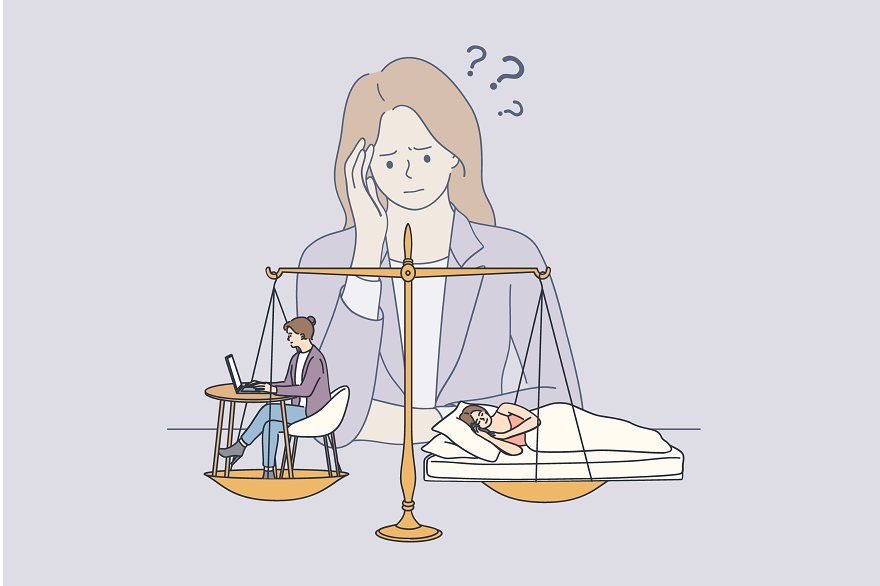
The sad reality is that productivity has become deeply tied to identity . People no longer ask themselves: “Am I happy?” Instead, they ask: “Am I doing enough?”
The need to constantly achieve has caused us to measure our value through grades, accomplishments, and external validation. Taking breaks begins to feel undeserved, while resting for too long starts to feel like failure.
But there is more to life than achievements.
There is more to a person than how much they can achieve.
Stop running for nothing
“It’s okay to stop and rest,” the central message of Paradise by BTS is a grounding reminder that there is no shame in not having everything figured out yet, and that taking a moment to breathe is not a sign of failure.

Life was never meant to be a constant race towards an endless goal. Maybe learning that we are still enough even when we aren’t running is actually what ‘paradise’ means.
You Might Like


