
Breaking the corporate ceiling, the rise of KYSER entrepreneurs

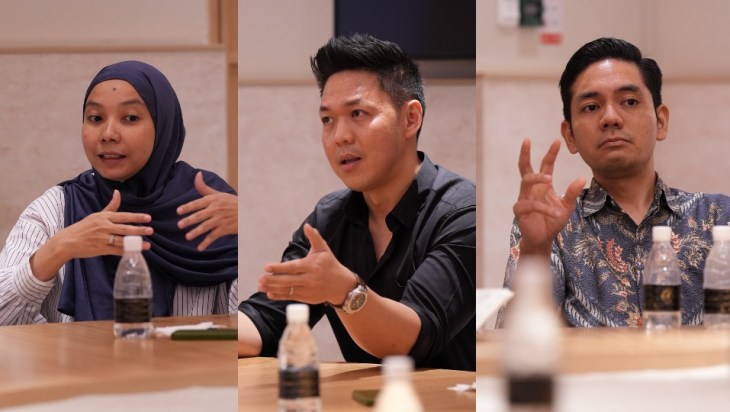
A recent entrepreneurship roundtable among alumni of Kolej Yayasan Saad turned into a candid discussion on why some professionals eventually choose to walk away from stable corporate careers in pursuit of something of their own.
The session brought together founders, professionals and students from industries ranging from property and retail to media, engineering and technology.
A recurring theme throughout the evening was the belief that many KYS alumni had historically been groomed towards elite universities and prestigious corporate careers rather than entrepreneurship.

Erina Zahara Ellias, founder of fashion and retail brand Zahara, said many students from her generation grew up believing the ideal path was straightforward: excel academically, enter a top university and eventually rise within major corporations.
“In our batch, everyone was groomed to become corporate people,” she said.
“When you choose a different path, people question it.”
Erina, who previously worked at Sapura Energy, eventually left corporate life to focus on building Zahara full-time. Her business today focuses on modest fashion products and practical lifestyle solutions for Muslim women.
She also revealed that she and her husband recently considered returning to salaried employment during a difficult financial period before ultimately deciding to recommit fully to the business.
“We realised we had one foot in and one foot out,” she said.
“Once we fully committed again, the mindset changed.”
Amir Kamarudin, founder of Ark Asset, a real estate investment firm, similarly came from the corporate world, having spent years at Petronas before eventually venturing into real estate and land development.
“When you’re in corporate for ten years, the path becomes very clear. You become comfortable,” he said.
“But deep down, I knew I wanted to build something for myself.”
Amir also recounted taking unpaid leave from Petronas to work under a successful property entrepreneur purely to gain exposure and mentorship.
“I told him I didn’t need salary. I just wanted to learn.”
Reza Khair, who operates businesses in laboratory infrastructure, construction and F&B, described himself as a “reluctant businessman”.
Reza, who also holds a stake in Positano Risto, said he entered entrepreneurship largely due to family circumstances and a desire to continue building his family’s legacy.
“Deep down, it really is family service,” he said.
Still, he argued entrepreneurship ultimately required a deeper purpose.
Reza added that one of his long-term ambitions was to improve infrastructure standards in Malaysian schools through his laboratory and construction businesses.
“When you travel around the country, you realise many schools still have poor facilities,” he said.
“That became my mission.”
The session also touched on how entrepreneurship often emerged from solving practical problems rather than simply chasing business opportunities.
Several speakers shared how their ventures began with frustrations or unmet needs they personally encountered, from fashion and construction to digital systems and property.
An interesting turn in the discussion came when current KYSER president Alif Adam Zulkifli raised questions about how the wider KYSER ecosystem could better support founders and entrepreneurs within the alumni network.
Alif, who works as a geologist with Petronas, said many KYSERs across corporations, government-linked companies and businesses often operated in silos despite occupying influential positions across industries.
He said stronger visibility and engagement within the ecosystem could help younger entrepreneurs better understand where opportunities, talent and networks existed within the alumni community.
The discussion later shifted towards partnerships and relationships in business.
Moderator Liyana Farzana reflected on how business partnerships, friendships and even marriages could be deeply affected by entrepreneurship.
Several speakers shared experiences of failed partnerships, strained relationships and difficult decisions made while building businesses.
Liyana noted that entrepreneurship often tested personal relationships in ways many younger professionals did not initially anticipate, particularly when ambition, financial pressure and long working hours became intertwined.
Founders from property, fashion, media and construction reflect on ambition, ownership and life beyond conventional careers.
Towards the end of the session, Azeem Abu Bakar, managing director of FMT and founder of Futures Capital, reflected on what entrepreneurship ultimately meant to him after years operating across media, corporate finance and strategic communications.
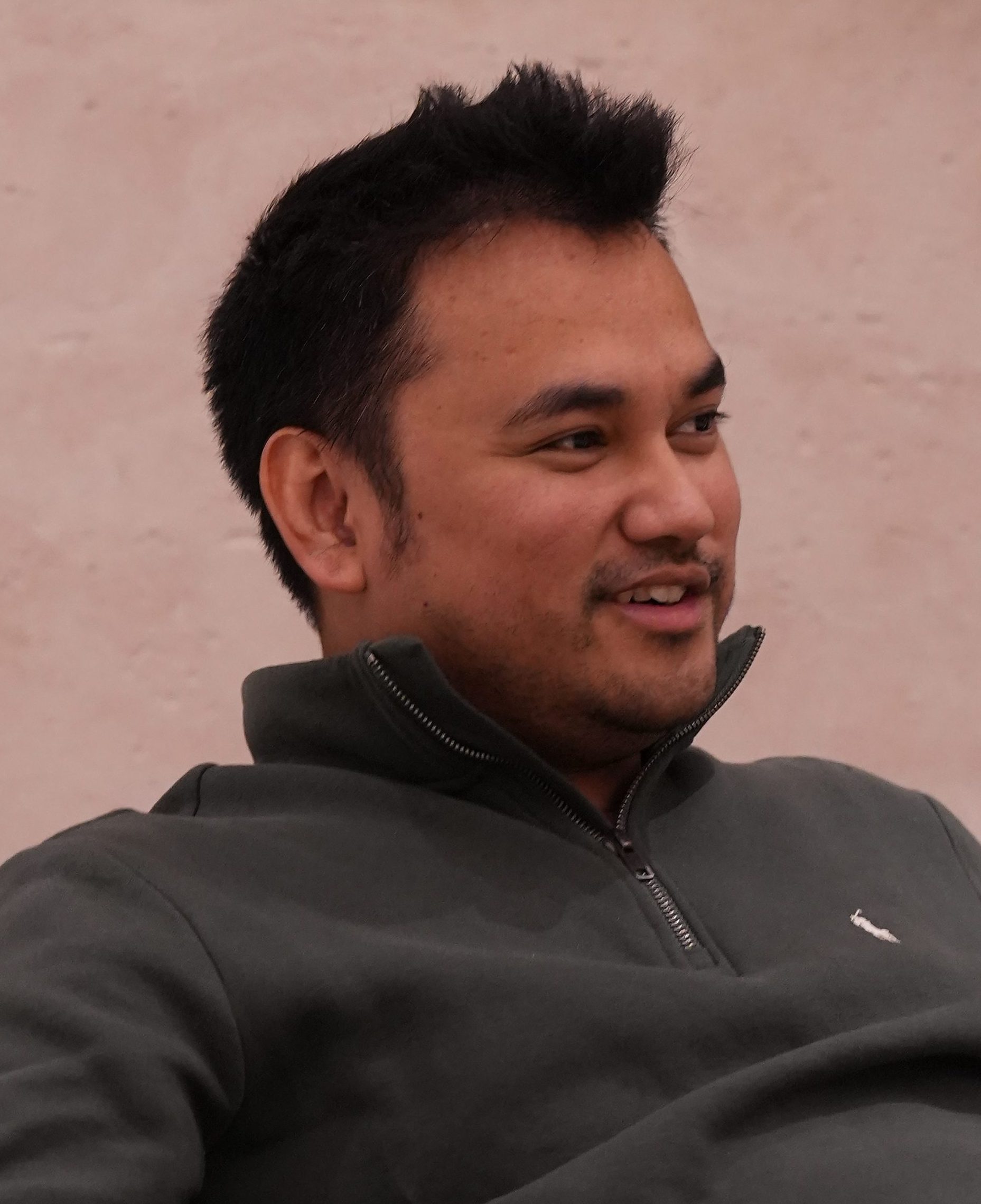
Azeem said one of the biggest differences between entrepreneurship and corporate life was the relationship between effort, value creation and upside.
He argued that many talented professionals eventually realised there was a limit to how much upside they could personally capture within conventional corporate structures, regardless of how much value they created for the organisations around them.
“If you’re confident, you know you can reap the upside,” he said. “You can go out there, take a risk, and actually reap the upside.”
Azeem added that entrepreneurship was ultimately tied to ownership and the ability to directly participate in the long-term value one helped build, rather than remaining permanently tied to fixed compensation structures.
At the same time, he stressed that entrepreneurship was not simply about money, but about autonomy and control over one’s direction in life.
“For me, it’s freedom,” he said. “Freedom to control your own time and your own life.”
You Might Like