Every story is different, and some are just misunderstood.


By Amni Humaira binti Anuar
“Are people born wicked? Or is wickedness thrust upon them?”
The central line of the musical, Wicked; One that has been resonating with me ever since I heard it. We like to believe that wickedness is obvious, loud, and easy-to-spot. We tend to point our fingers to someone and confidently label them as the “villain of the story”, but what if they weren’t? What if the simplicity isn’t the truth? While the question asked in Wicked sounds like a mere fantasy, it actually echoes through real life more than we think.
We judge the ending, but never its beginning
Everyone’s life story is built on memories and parts of their past. Tragic or not, these bits and pieces are what shaped them into the people they are today: the way they react, speak, and even the way they protect themselves.
If we take a moment to look past that shell, and see them for who they are, you might discover surprising things. People don’t just act out of pure malice — they act out of fear, anger, loneliness, and pain. Their “wickedness” is simply a result of all that emotional baggage they carry, waiting for someone to listen.
Understanding ≠ Excused
While understanding someone’s story after they’ve hurt you may be difficult, it’s important to do so for a clearer explanation. It doesn’t justify their actions, but it may help you in realising the truth.
Understanding their story means that you recognise them as humans who are shaped, not sculpted. And that the “wickedness” we see is a reaction, not a reflection of who they truly are beneath that mask they wear.
To be seen, is to be understood, which is to be human
Asking questions like: “What have they been through?” or “What made them like this?” and choosing to learn more about them is probably one of the most powerful things we as society can do. While we won’t always get the answers, our willingness to understand their story changes how we treat them.
And sometimes, the simple act of being seen is enough to soften even the sharpest edges of a person.
We can’t choose how the world treats us,
But we can choose the way we treat each other.
When we choose the truth over assumptions, empathy over accusations, and curiosity over judgement, the world can bloom into a field of flowers for all.
So the next time someone acts in a way that feels wrong, evil, or “wicked”, take a moment and reflect. Ask yourself questions, and find out what lies behind their facade.
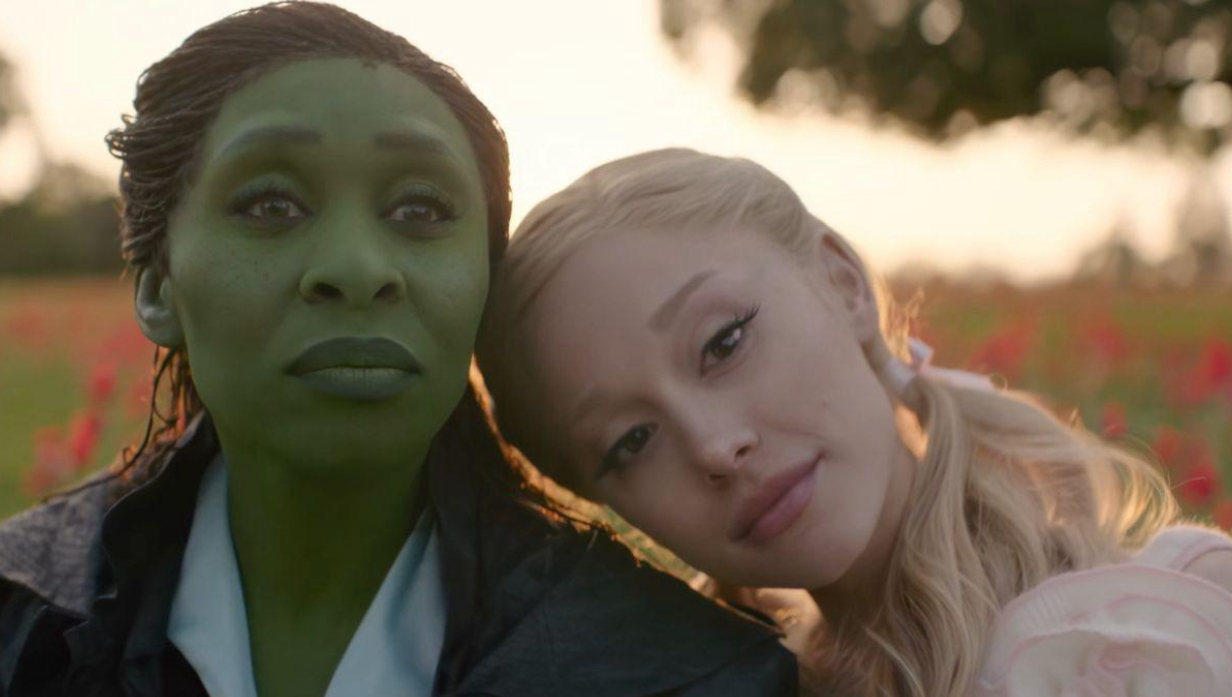
Because maybe like Elphaba, they’re not wicked at all.
Maybe, they’ve just never been understood.
You Might Like